Ourika Valley from Agafay Desert: A Full-Day Trip in the Atlas Mountains (Complete Guide)
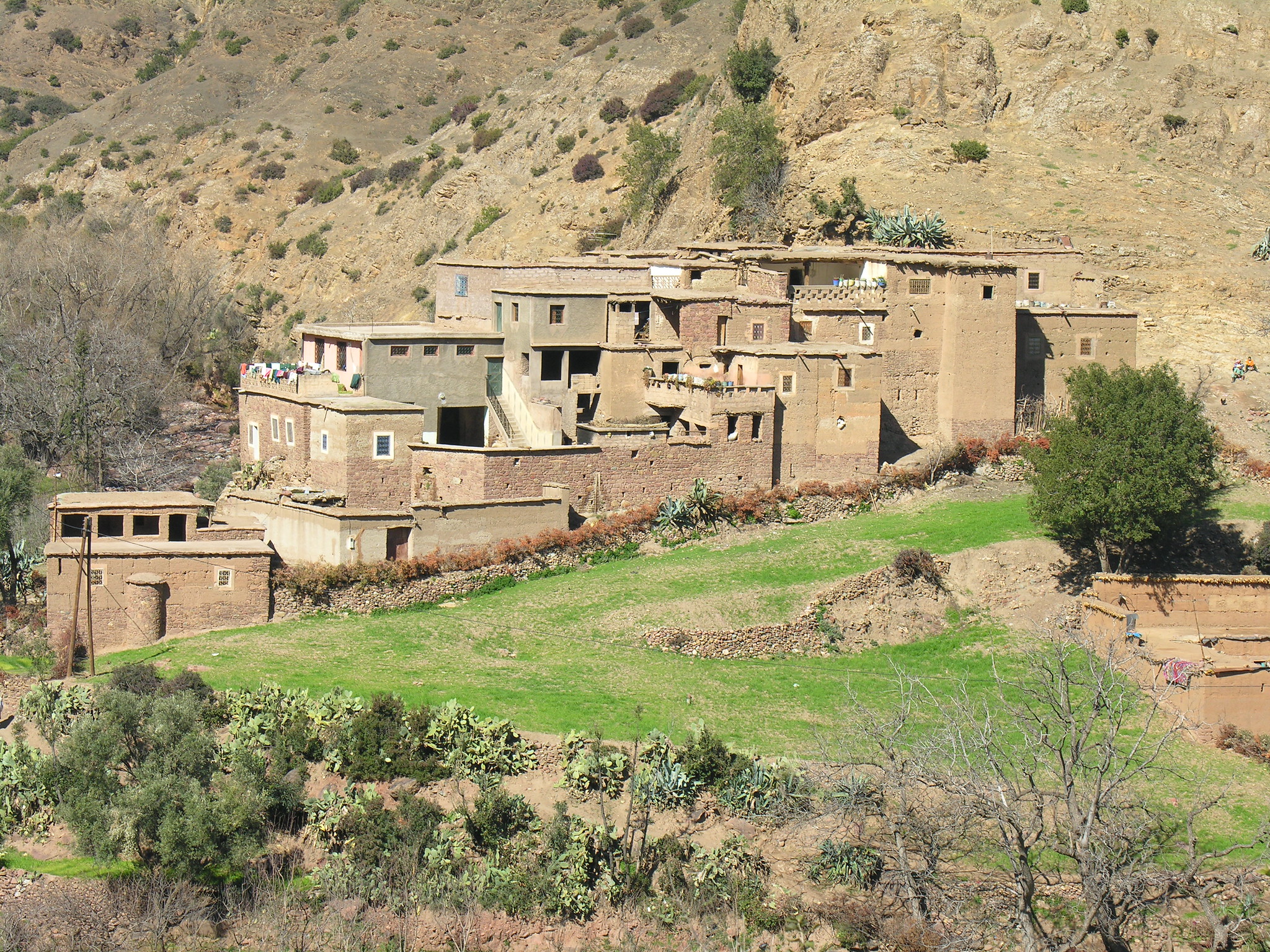
Picture this. You wake up in a quiet camp in the Agafay Desert, surrounded by rocky, moon-like hills. A few hours later you are standing beside a cold, rushing river, with green terraces, red-clay villages, and the snow-dusted High Atlas Mountains behind you. That is the magic of a full-day trip from the Agafay Desert to the Ourika Valley.
This guide covers everything you need to plan your Ourika Valley excursion from Agafay: the route, timings, costs, waterfalls, Ourika Valley Berber villages, food, culture, packing tips, and honest advice on whether to choose a private Ourika Valley day trip or a small group.
Table of Contents
- Quick Facts
- Why Take a Day Trip from Agafay to Ourika Valley?
- Highlights: Waterfalls, Berber Villages and Atlas Views
- Geography: Where Are Agafay and Ourika?
- Private Day Trip from Agafay Desert to Ourika Valley
- Best Ways to Get There
- Sample Full-Day Itinerary
- The Scenic Route
- Top Things to Do in Ourika Valley
- Amazigh Culture and Village Etiquette
- Food Guide: What to Eat in Ourika Valley
- Agafay Activities Before and After
- Best Time to Visit
- Flash Floods and River Safety
- Cost
- How to Book
- What to Pack
- Practical Tips
- Useful Phrases and Common Mistakes
- Case Studies
- Compared to Other Excursions
- Where to Stay
- FAQ
- Final Thoughts
Quick Facts: Ourika Valley Day Trip from Agafay at a Glance
| Detail | Information |
|---|---|
| Trip type | Full-day Atlas Mountains day trip from Agafay |
| Distance (one way) | Roughly 80–100 km, depending on your camp and route (verify before booking) |
| Drive time (one way) | Usually 1.5–2 hours, longer with traffic or photo stops |
| Total trip length | 8–10 hours, including stops, hiking, and lunch |
| Waterfall hike | About 30–60 minutes to the first waterfall; longer for higher falls |
| Difficulty | Easy to moderate (uneven, sometimes slippery rocks) |
| Best seasons | Spring (March–May) and autumn (September–November) |
| Typical price | Private vehicle: often 70–150 EUR per vehicle. Group tours: often 25–50 EUR per person |
| Usually included | Transport, driver, water, sometimes a guide and lunch |
| Best for | Couples, families, solo travelers, photographers, first-time visitors |
Why Take a Day Trip from Agafay Desert to Ourika Valley?
Most people picture Morocco’s desert as endless orange sand dunes. The Agafay Desert is different. It is a stone desert: a wide, rocky plateau of pale hills and dry valleys, with the Atlas Mountains on the horizon. The land is made of clay-rich soil, gravel, and small stones, and very little grows on it. That bare, open look is why film crews and photographers love it. Just a few hours away, the Ourika Valley is its complete opposite, with a flowing river, fruit trees, and small villages. Putting the two together makes one of the most rewarding Atlas Mountains day trips from Agafay.
The Perfect Day Excursion: Two Atlas Mountains Landscapes in One Trip
Most travelers have to choose between “desert” and “mountains.” This trip lets you have both in one day. You start in dry, open, quiet terrain and finish in a green river valley full of sound and movement. The difference between the two is what makes this perfect day excursion to Ourika Valley from Agafay Desert so memorable. Many travelers say the contrast is the best part of the trip. You see more of Morocco’s natural variety in 10 hours than you would in several days of city sightseeing. There is also a practical benefit: because you sleep in Agafay and not in a busy Marrakech hotel, your day begins in silence and ends in silence, which makes the lively valley feel even more vivid.
A Scenic Day Trip: What Makes the Drive Itself Worth It
The journey is part of the experience. You pass farmland, olive groves, roadside fruit stands, clay-brick houses, and mountain slopes that change color through the day. In spring the fields glow green. In winter the high peaks may be covered in snow. The road follows the Ourika River for much of the final stretch, so you see water, terraces, and village life along the way. If you like photography, this scenic day trip from Agafay Desert to Ourika Valley gives you plenty of material.
A Cooler, Greener Escape from the Desert Heat
The Agafay Desert can be very hot in summer, and there is little natural shade on the plateau. The Ourika Valley sits higher up and has a river, shade trees, and cooler air near the water. On a hot July day, the temperature difference can feel like a relief. Dipping your feet in cold mountain water after a dry morning is one of the most pleasant moments of the trip. The river is fed by snowmelt from the High Atlas, which is why even in summer it stays refreshingly cold.
Agafay Desert vs. Ourika Valley: What’s the Difference?
| Feature | Agafay Desert | Ourika Valley |
|---|---|---|
| Landscape | Rocky plateau, dry hills, open sky | Green river valley, terraces, waterfalls |
| Altitude | Lower, around 500 m | Higher, rising from about 1,000 m to over 1,600 m at Setti Fatma |
| Temperature | Hot days, cool nights | Cooler, especially near the water |
| Main activities | Camel rides, quad biking, sunset, camps | Waterfall hike, villages, markets, riverside lunch |
| Crowds | Quiet and spread out | Busier at Setti Fatma, especially weekends and holidays |
| Best time of day | Sunrise and sunset | Late morning to mid-afternoon |
Who Is This Full-Day Trip Best For?
- Couples: a romantic mix of quiet desert mornings and scenic mountain views.
- Families: most children enjoy the river and the easy first waterfall (see the kids section below).
- Solo travelers: a private guide or small group tour is safe, social, and simple to arrange.
- Photographers: two contrasting landscapes, village life, and good light.
- First-time visitors: it gives a balanced taste of Morocco’s nature and Amazigh (Berber) culture.
Who may want to skip it: travelers who dislike long car rides, or anyone who cannot walk on uneven ground. You can still enjoy the villages and the riverside lunch, though.
Ourika Valley from Agafay: Waterfalls, Berber Villages and Atlas Mountain Views
If you only have a minute, this is what you will see on an Agafay to Ourika Valley tour. Each point is explained in more detail later in the guide.
The Setti Fatma Waterfalls
At the end of the valley, the village of Setti Fatma is the starting point for the famous Ourika Valley waterfalls day trip hike. There are seven waterfalls in a series. Most day visitors reach the first or second one, which is enough for great photos and a refreshing break. Cafés and small stalls line the river path, so the hike feels relaxed.
Traditional Amazigh (Berber) Villages and Culture
The valley is home to Amazigh communities who have lived here for centuries. Houses are built from local red clay and stone, and farmers grow walnuts, almonds, apples, and herbs on narrow terraces. The Ourika Valley Berber villages are a highlight if you want to meet local people and learn how mountain life works.
Atlas Mountain Views and Scenic Stops
The valley road climbs slowly, giving you wide views of peaks, ridges, and the river below. The light can change the mood completely, from soft gold in the morning to deep red in the late afternoon.
Riverside Lunch and Local Flavors
Many small restaurants sit right over the water. You eat tagine, grilled meat, salads, and fresh bread while the river runs beside your table. This is often the favorite part of the day for families.
Where Are Agafay Desert and Ourika Valley?
Understanding the map helps you plan your timing and avoid long, tiring days.
Where Is the Agafay Desert?
The Agafay Desert lies southwest of Marrakech, usually about 30 to 45 minutes by car from the city. It is a plateau of rocky, clay-rich land with low hills and wide views toward the High Atlas. Many travelers choose it as a quieter, closer alternative to the big sand dunes of Merzouga, which are much farther away. Dozens of desert camps sit across the area, from simple tents to luxury lodges with pools. Because the desert is so close to the city, it has become one of the most popular places in Morocco for sunset dinners and short stays.
Where Is the Ourika Valley?
The Ourika Valley is in the High Atlas Mountains, south of Marrakech. The road follows the Ourika River upward through villages such as Tnine Ourika, Aghbalou, and Arhbalou, and ends at Setti Fatma, where the waterfall hikes begin. The river itself starts high in the mountains near the Toubkal massif and flows down toward the Marrakech plain. Because it is so close to Marrakech, it is one of the most popular day trips in the country.
How Far Is Agafay Desert from Ourika Valley?
Agafay and Ourika are on opposite sides of Marrakech, so most routes pass near the city before turning south into the valley. The exact distance depends on where your camp is, but you can plan for the following:
| Route Segment | Approximate Time |
|---|---|
| Agafay camp to the Marrakech ring road | 30–50 minutes |
| Marrakech ring road to Tnine Ourika | 30–40 minutes |
| Tnine Ourika to Setti Fatma | 30–40 minutes |
| Total, one way | About 1.5–2 hours (more with traffic) |
Tip: Traffic around Marrakech and on the valley road can slow you down, especially on weekends, public holidays, and on market day. Leave early to avoid the worst of it.
Route Map of the Agafay to Ourika Valley Day Trip
Add a custom map here showing your camp, the Marrakech ring road, Tnine Ourika, Anima Garden, and Setti Fatma, with approximate times between each stop. A simple map like this helps readers see the shape of the day at a glance.
Private Day Trip from Agafay Desert to Ourika Valley
For many travelers, the best way to see the valley is a private day trip from Agafay Desert. You travel with only your own group, so you control the pace.
Why Choose a Private Ourika Valley Day Trip?
A private Ourika Valley day trip gives you freedom that group tours cannot. Here is what that means in practice:
- Flexible start time: leave at 7:00 or 9:00, whichever suits you.
- Door-to-door pickup: your driver collects you at your Agafay camp and drops you back there.
- Your own pace: spend more time at a village you like, or skip a stop you do not.
- Custom stops: add a cooperative, a viewpoint, or a market.
- Comfort: air-conditioned vehicle, no waiting for other passengers.
- Better for families and mixed-ability groups: you can shorten the hike or take more breaks.
The biggest hidden benefit is time. Group tours often spend 30 to 60 minutes collecting passengers from different hotels. A private driver goes straight from your camp to the valley, which gives you extra time at the waterfalls and at lunch.
What a Private Tour Typically Includes
Most private tours include:
- Private vehicle with a licensed driver (often English- or French-speaking)
- Hotel or camp pickup and drop-off
- Bottled water
- Stops at villages and viewpoints
- Time for the waterfall hike
Some packages also include a local guide, lunch, and entrance fees. Always ask for a written list of what is and is not included.
Private vs. Small-Group Ourika Valley Excursion
| Feature | Private Tour | Small-Group Tour |
|---|---|---|
| Price | Higher total, but cheaper per person for 3–6 people | Lower per person |
| Pickup | Exactly from your camp | May require meeting at a set point |
| Schedule | Flexible | Fixed |
| Group size | Just your party | Often 6–16 people |
| Pace | You decide | Set by the guide |
| Best for | Families, couples, photographers | Solo travelers on a budget |
Private Tour Customization Options
One of the best things about a private Ourika Valley day trip is that you can adjust it. Popular add-ons include:
- A Berber lunch in a family home
- A cooking class (tagine or Moroccan salads)
- Extra waterfall time or a guide to take you higher
- A market stop on market day
- A visit to Anima Garden
- A sunset return to your Agafay camp
Best Ways to Get from Agafay Desert to Ourika Valley
There are several ways to organize an Agafay to Ourika Valley tour. Each has pros and cons.
Private Driver or Private Tour
This is the most comfortable and the most popular option. The driver knows the roads, the best stopping places, and the traffic patterns. It is especially good if you do not want to deal with parking or navigation.
Small-Group Excursion
A group tour is cheaper per person. The downside is a fixed schedule and possibly a longer pickup route. This is a good choice for solo travelers or budget-minded couples.
Self-Drive: Renting a Car
You can rent a car in Marrakech and drive yourself. The main road to Ourika is paved and in generally good condition. Still, consider these points:
- Traffic around Marrakech can be intense.
- Mountain roads have curves, and local drivers may overtake aggressively.
- Parking at Setti Fatma is limited and informal, and local “guardians” may ask for a small fee.
- Navigation signal can be weak in places, so download offline maps.
Not recommended if you are nervous about driving in Morocco or arriving after dark.
Taxi or Grand Taxi
A private taxi can be hired for the whole day. Agree on the full round-trip price and waiting time before you leave, and confirm whether the price is per person or for the vehicle. This is cheaper than a formal tour but has fewer guarantees on comfort, insurance, and English-speaking drivers.
Public Transport and Shared Taxis: Is It Possible?
Technically yes. Shared grand taxis run from Marrakech to Ourika villages. But from the Agafay Desert, you would first need to reach Marrakech, which makes the day long and complicated. It is rarely practical for a day trip from an Agafay camp.
Which Option Is Best?
| Option | Cost | Comfort | Flexibility | Time Efficiency |
|---|---|---|---|---|
| Private tour | $$$ | Excellent | Excellent | Excellent |
| Small group | $$ | Good | Limited | Good |
| Self-drive | $$ | Good | Excellent | Medium |
| Private taxi | $$ | Medium | Good | Good |
| Public transport | $ | Low | Low | Poor |
Our recommendation: For most travelers staying in Agafay, a private day trip is the simplest and least stressful way to go.
Ourika Valley from Agafay Desert: Sample Full-Day Itinerary
Here is a realistic plan for your Ourika Valley day trip from Agafay Desert. Times are approximate and can be shifted.
| Time | Activity |
|---|---|
| 7:30–9:00 | Breakfast and departure from Agafay |
| 9:00–10:30 | Scenic drive through countryside and villages |
| 10:30–12:00 | Berber village visit and cooperative stop |
| 12:00–14:30 | Setti Fatma and waterfall hike |
| 14:30–15:30 | Riverside lunch |
| 15:30–17:30 | Return drive with optional stops |
| 17:30–19:00 | Back at camp for sunset and dinner |
Morning: Departing Agafay Desert (7:30–9:00 AM)
If you can, wake up early to watch the sunrise over the Agafay hills. The light is soft, the air is cool, and the camp is quiet. After a Moroccan breakfast of bread, olive oil, jam, eggs, and mint tea, meet your driver and begin the trip. Starting before 9:00 helps you beat Marrakech traffic and reach Setti Fatma before the midday crowds. Before you leave, check that you have cash, water, and a light jacket, because the temperature in the valley can feel very different from the desert.
Mid-Morning: Scenic Drive Through Countryside and Atlas Villages (9:00–10:30 AM)
As you leave the desert plateau, the landscape slowly turns greener. You pass fruit sellers, small farms, and roadside pottery stalls. Ask your driver to stop for photos at any viewpoint that catches your eye. This stretch of the Atlas Mountains day trip from Agafay is relaxing, and it is a good chance to chat with your driver and ask questions about local life. Drivers who work this route daily often know the best cafés, the cleanest restrooms, and the quietest viewpoints.
Late Morning: Berber Village Visit and Cooperatives (10:30 AM–12:00 PM)
On the way up the valley, stop at a village to see how people live here. Many visits include:
- A walk through narrow lanes between clay houses
- A visit to a women’s cooperative that makes argan oil, saffron products, or herbal remedies
- Mint tea in a family home (a traditional sign of welcome)
These stops are a core part of the Ourika Valley Berber villages experience, and they support local families directly.
Midday: Setti Fatma and the Ourika Waterfalls Hike (12:00–2:30 PM)
At Setti Fatma, you leave the car behind and walk. The trail follows the river over rocks, small bridges, and stone steps. The first waterfall takes around 30 to 60 minutes. Many visitors turn back there, while others continue higher for quieter views. Local guides wait at the start and can show you the safest route.
Lunch by the Ourika River (2:30–3:30 PM)
After the hike, you will be hungry. Riverside restaurants serve tagine, grilled kebabs, Moroccan salads, fresh bread, and mint tea. A simple meal usually costs much less than in Marrakech tourist areas. Sitting on a terrace above the water is a perfect rest after the climb.
Afternoon: Return Drive and Optional Stops (3:30–5:30 PM)
On the return, consider stopping at:
- Anima Garden, a peaceful artistic garden
- Roadside stalls for honey, nuts, or pottery
- The weekly market (if the day matches)
- A photo viewpoint for the afternoon light
Evening: Back at Your Agafay Desert Camp (5:30–7:00 PM)
You arrive back in time for sunset. Many camps offer a camel ride, quad ride, or simple sunset drink on the hill. Dinner under the stars, often with Amazigh music and a campfire, is a perfect end to the day.
Alternative Itinerary: Shorter, Relaxed Version
If you prefer a gentler day:
- Leave at 9:30 AM
- Skip the long hike and visit only the first waterfall
- Spend more time in villages and at lunch
- Return by 5:00 PM
Alternative Itinerary: Active Travelers’ Version with Extra Stops
If you love hiking:
- Leave at 7:00 AM
- Hike to the second or third waterfall with a guide
- Add the Ecomuseum and Anima Garden on the way back
- Return after sunset or choose a dinner stop in the valley
The Scenic Route: Atlas Mountain Views on the Way to Ourika Valley
Part of the appeal of this scenic day trip from Agafay Desert to Ourika Valley is simply looking out the window.
Best Photo Stops Between Agafay and Ourika
Ask your driver to pause at:
- Open fields with mountains behind them
- Fruit and vegetable stands along the road
- Small bridges over the river
- Viewpoints where the valley opens up
Viewpoints Along the Ourika River Road
As the road climbs, you can look back down the valley and see terraces, villages, and the river winding below. Some cafés have terraces built over the water, so you can combine a coffee break with a great view.
Best Light for Photography
| Time of Day | Light Quality | Best For |
|---|---|---|
| Early morning | Soft, golden | Desert landscapes, mountain silhouettes |
| Late morning | Bright, clear | Villages, river, green terraces |
| Midday | Harsh | Waterfalls (the shade helps) |
| Late afternoon | Warm, rich | Return drive, red clay houses |
Seasonal Scenery: Snow-Capped Peaks, Green Spring Valleys, Autumn Colors
- Winter: snow on the highest peaks, crisp air, and strong contrast with the dry desert below.
- Spring: bright green fields, wildflowers, and strong river flow.
- Summer: golden, dry hills, but green near the water.
- Autumn: warm colors, walnut harvest, and fewer crowds.
Top Things to Do in Ourika Valley
Hike to the Setti Fatma Waterfalls
The Setti Fatma waterfalls are the main reason most people visit. There are seven cascades, and each one is higher and more remote than the last. The first two are easy enough for most visitors. The upper ones need more effort and sometimes a guide. The path begins in the village, where small cafés and stalls line the riverbanks. After the last houses, the route becomes more natural, with boulders, stepping stones, and short climbs.
| Waterfall | Effort Level | Who It Suits |
|---|---|---|
| 1st | Easy to moderate | Most visitors, including families with older children |
| 2nd | Moderate | Reasonably fit walkers |
| 3rd–4th | Moderate to hard | Confident hikers, ideally with a guide |
| 5th–7th | Hard, more remote | Experienced hikers with a guide and good weather |
Facts about the hike:
- Time: 30–60 minutes to the first waterfall; 2–3 hours round trip to go higher.
- Terrain: rocky, with some steps and stream crossings.
- Guide: not always required for the first falls, but helpful for the upper ones.
- Safety: rocks can be very slippery, and water levels change with the season.
Safety tip: Never go near the river after heavy rain or in stormy weather. The Ourika Valley has suffered serious flash floods in the past, including a devastating one in 1995, so always check the forecast and listen to local advice.
Visit Berber (Amazigh) Villages and Try Mint Tea in a Local Home
The Ourika Valley Berber villages are one of the best parts of this Ourika Valley excursion from Agafay. Many families welcome visitors for tea and conversation. You will see traditional houses, small farms, and children walking to school.
Cultural tips:
- Dress modestly (shoulders and knees covered).
- Ask before taking photos of people.
- Accept tea if offered, as refusing can seem impolite.
- Leave a small tip or buy something from the household if appropriate.
Explore the Ourika Valley Weekly Market (confirm the day)
The best-known local market is in Tnine Ourika, usually held on Mondays (confirm the day before you go). Farmers and traders sell vegetables, spices, livestock, clothes, and household goods. It is lively and authentic, but also busy, so keep your belongings close.
Enjoy a Riverside Lunch
Order a chicken or lamb tagine, grilled brochettes, or a vegetable couscous. Many restaurants have tables built directly above the river. Prices are usually friendlier than in Marrakech.
Visit Herb, Argan, and Saffron Cooperatives
Cooperatives run by local women produce natural products such as argan oil, saffron, herbal teas, and soaps. Visiting one lets you see how they are made, ask questions, and buy directly from the makers. Prices are usually fixed or lightly negotiable.
Walk Through Anima Garden
Anima Garden was created by the Austrian artist André Heller. It is a calm, shady garden with sculptures, plants, and quiet corners. It makes a good, slow-paced stop on the way back. Check current opening days and entrance fees before you go.
Visit the Ecomuseum and Traditional Houses
The Ecomuseum and traditional Berber house displays near Tnine Ourika show how families once lived, farmed, and cooked in the valley. They are short stops but add depth to your understanding of the area.
Optional Extras: Mule Rides, Short Treks, and Quad Biking
If you want more adventure, you can add a mule ride, a short trek to a nearby village, or a quad ride. Always agree on the price first and choose operators who look after their animals and equipment.
Oukaïmeden Winter Skiing (separate-trip note)
Oukaïmeden is a small ski resort high in the Atlas, in a separate valley from the Setti Fatma waterfalls. In winter it can have snow for skiing, but combining it with the Ourika waterfalls in one day from Agafay is usually too much. Treat it as its own trip.
Amazigh Culture and Village Etiquette in the Ourika Valley
The people of the High Atlas are mostly Amazigh (often called Berber, though many prefer “Amazigh,” which means “free people”). They speak Tamazight in several regional forms, along with Moroccan Arabic (Darija) and often French. Knowing a little about their way of life makes your visit richer and more respectful.
How Mountain Life Works
Life in the valley follows the seasons and the water. Families farm small terraced plots, often fed by simple irrigation channels that carry river water to each field. Walnuts, almonds, apples, barley, and herbs are common crops, and many families also keep goats, sheep, or a mule. Houses are built from pisé (rammed earth) and stone, which keeps the rooms cool in summer and warm in winter. The red color of the walls comes directly from the local soil, which is why villages seem to grow out of the hillside.
The Role of Women’s Cooperatives
Women’s cooperatives are one of the most positive parts of local tourism. They give women a steady income, a place to meet, and a way to sell products without middlemen. When you buy argan oil, herbal tea, or saffron from a cooperative, a large share of the money goes directly to the women who made it. Ask them to explain how each product is used. Most are happy to share tips, such as which herbs help with digestion or how to cook with saffron.
Hospitality and Mint Tea
Offering tea is a core part of Moroccan hospitality. The tea is usually poured from a height to create foam, and it is traditionally served in three glasses. A common saying describes them as bitter like life, strong like love, and soft like death. The first glass is usually the strongest, and the last is the sweetest. Accept at least one glass, drink slowly, and say thank you.
Simple Etiquette Checklist
- Dress modestly: cover shoulders and knees, and avoid tight or see-through clothing.
- Use your right hand when passing food, money, or tea.
- Ask before photographing people, doorways, or children.
- Remove your shoes if you enter a home and others have done so.
- Avoid public displays of affection in villages.
- Be patient: conversations and meals take time, and that is part of the experience.
Why it matters: Visitors who greet people warmly and show respect often receive far more generous hospitality in return.
Food Guide: What to Eat in Ourika Valley
Eating by the river is one of the biggest joys of the day. Menus are simple, fresh, and usually very good value. Here is what you are likely to find.
| Dish | What It Is | Good to Know |
|---|---|---|
| Tagine | Slow-cooked stew in a clay pot, usually chicken, lamb, or vegetables | The classic choice; chicken with olives and lemon is a safe favorite |
| Brochettes | Grilled meat skewers | Quick, tasty, and good for kids |
| Couscous | Steamed semolina with vegetables and meat | Traditionally a Friday meal, so it may be fresher then |
| Moroccan salads | Small plates of cooked vegetables, tomato, eggplant, carrot | Great for sharing and for vegetarians |
| Harira | Tomato, lentil, and chickpea soup | Warm and filling, especially in cooler months |
| Khobz | Round local bread | Used instead of cutlery to scoop food |
| Mint tea | Green tea with fresh mint and sugar | Ask for “less sugar” if you prefer |
| Fresh fruit and walnuts | Local seasonal snacks | Buy from roadside stands |
Tips for Eating Well and Staying Healthy
- Choose busy places. A restaurant with many local customers usually has fresh food.
- Order freshly cooked dishes, such as tagines and grilled meats, which are cooked at high heat.
- Drink bottled water and avoid ice if you have a sensitive stomach.
- Check prices before you sit down if the menu is not displayed.
- Vegetarians can ask for a vegetable tagine or couscous without meat, and most places can adjust.
A typical lunch for two with drinks is often affordable, and the riverside setting adds a lot of value. Keep in mind that service can be slower on busy days, so order early if you want to be back at camp for sunset.
What to Do at Agafay Desert Before and After Your Ourika Trip
Your private day trip from Agafay Desert is only part of the story. Make the most of your camp too.
Sunrise or Sunset at Agafay
Both are magical. Sunrise is quiet and cool, while sunset paints the hills orange and pink. If you do the Ourika trip, sunset is the more relaxing choice after a long day.
Camel Rides and Quad Biking
Camel rides are gentle and photogenic. Quad biking is faster and more exciting. Many camps offer both for an extra fee.
Hot Air Balloon Flights
Balloon flights usually take off at dawn. They offer a spectacular view of the desert and the mountains. Because they start very early, they work best on the morning before or the day after your Ourika excursion, not on the same day.
Dinner Under the Stars with Berber Music
A traditional dinner with a fire, lanterns, and live drumming is a highlight at most camps. The desert sky is very dark, so stargazing is excellent.
Luxury vs. Budget Desert Camps
| Camp Type | Typical Features | Best For |
|---|---|---|
| Luxury | Large tents, private bathrooms, pools, spa, fine dining | Honeymooners, special occasions |
| Mid-range | Comfortable tents, shared or private bathrooms, good food | Most travelers |
| Budget | Simple tents, shared facilities, basic dinner | Backpackers, short stays |
Best Time to Visit Ourika Valley from Agafay Desert
Ourika Valley Day Trip by Season
| Season | What to Expect | Pros | Cons |
|---|---|---|---|
| Spring (Mar–May) | Green, mild, strong waterfalls | Best scenery and hiking weather | Busy on weekends, river can be high |
| Summer (Jun–Aug) | Hot in Agafay, cooler in the valley | River is refreshing | Crowds, strong sun |
| Autumn (Sep–Nov) | Warm days, fewer people | Calm, comfortable | Lower water in the river |
| Winter (Dec–Feb) | Cold, snow on peaks | Dramatic mountain views | Rain risk, cold evenings in Agafay |
Best Day of the Week
Weekdays are quieter. Weekends and public holidays attract many Moroccan families, so Setti Fatma can be crowded. If you want to see the Monday market at Tnine Ourika, plan for that day and accept the extra bustle.
Best Time of Day to Start
Between 7:30 and 9:00 AM is ideal. You avoid traffic, reach the waterfalls before the crowds, and return before dark.
Ramadan and Holiday Considerations
During Ramadan, many restaurants close during the day or open late. Villages are quieter, and energy levels can be lower. The trip is still possible, but be respectful: avoid eating or drinking openly in public, and check that your lunch place is open.
Weather and Road Conditions to Check Before You Go
Check the forecast for heavy rain, snow, and storms. Rain can make trails slippery and raise the river quickly. If conditions look risky, ask your operator to adjust the plan.
Flash Floods and River Safety in the Ourika Valley
This is the most important safety topic in the guide, so it deserves its own section. The Ourika River looks calm on most days, but it flows through a steep, narrow valley. When heavy rain falls in the mountains, water rushes down quickly, even if the sky above you is clear.
Why Flash Floods Happen Here
Rain or snowmelt high in the Atlas collects in narrow gullies and pours into the river within minutes. The valley walls are steep, and there is little flat land where the water can spread out. In August 1995, a major flood swept through the valley and caused heavy loss of life. Since then, local authorities and communities have become more careful, and riverside structures are monitored more closely. The risk has not disappeared, which is why caution matters.
Warning Signs to Watch For
- Dark clouds or thunder over the mountains
- A sudden rise in water level or a change in color to brown or muddy
- A louder-than-normal sound from the river
- Floating branches or debris
- Local people hurrying to higher ground
What to Do
- Check the forecast the night before and again in the morning.
- Ask your guide or driver about recent rain in the mountains.
- Avoid the riverbed and low terraces if rain is expected.
- Move uphill immediately if you notice any warning signs.
- Postpone or shorten the hike if conditions look uncertain. A missed waterfall is always better than a risky one.
Reality check: Most days in the valley are completely safe. Good planning and flexible timing are all you need to keep it that way.
How Much Does an Ourika Valley Day Trip from Agafay Cost?
Typical Price Ranges
| Option | Approximate Price |
|---|---|
| Private tour (per vehicle, 1–6 people) | 150–180 EUR |
| Small-group tour (per person) | 25–50 EUR |
| Self-drive (car rental, fuel, parking) | 40–80 EUR per day plus costs |
| Private taxi (round trip) | 50–100 EUR, negotiable |
Prices vary by season, camp location, vehicle type, and what is included. Because Agafay camps are further from Marrakech than most hotels, expect a small extra charge for pickup.
What’s Included
- Transport and driver
- Bottled water
- Sometimes a guide
- Sometimes lunch and entrance fees
What’s Not Included
- Lunch (unless stated)
- Local waterfall guide fee
- Tips
- Optional activities such as mule rides
- Souvenirs and cooperative purchases
Sample Budget Breakdown
Example for a couple on a private tour:
| Item | Cost (approx.) |
|---|---|
| Private vehicle and driver | 150 EUR |
| Lunch for two | 15–25 EUR |
| Local waterfall guide | 10–15 EUR |
| Tips (driver and guide) | 10–20 EUR |
| Souvenirs and snacks | 10–30 EUR |
| Total | About 155–190 EUR |
Tipping Guidelines in Morocco
Tipping is common and appreciated. As a rough guide:
- Driver: 10–15% of the tour cost, or about 10–20 EUR per day for a private driver
- Local guide: 5–10 EUR per person for a short walk
- Restaurant: 5–10% if service is not already included
Money-Saving Tips
- Share a private tour with friends or other travelers.
- Eat at simple riverside cafés instead of tourist restaurants.
- Book directly with a local operator rather than through multiple intermediaries.
- Travel on weekdays and outside peak season.
- Carry small bills for tips, snacks, and guides.
How to Book Your Ourika Valley Excursion from Agafay Desert
Booking Through Your Agafay Camp or Hotel
This is the easiest way. Your camp can arrange a driver and often handles pickup time and logistics. The price may include a small commission, so it can be a bit higher than booking directly.
Booking with a Local Tour Operator
Local companies often offer better prices and more flexibility. Look for companies with clear itineraries, recent reviews, and direct communication through email or WhatsApp.
Booking Online vs. In Person
| Method | Pros | Cons |
|---|---|---|
| Online | Reviews, clear prices, written confirmation | Some platforms add fees |
| In person | Can negotiate, see the vehicle | Less transparency, pressure to decide |
How Far in Advance to Book
- Peak season (spring, autumn, holidays): 1–2 weeks ahead
- Low season: a few days ahead is usually fine
- Last-minute bookings are often possible through your camp, but options may be limited
What to Look for in a Reputable Operator
- Positive, recent reviews
- Proper licensing for tourist transport
- Clean, insured vehicles
- Clear cancellation policy
- Transparent pricing with a written list of inclusions
- Responsive communication
Red Flags and Common Scams
- Unclear or constantly changing prices
- Pressure to buy at specific shops
- Drivers who insist on long, unplanned shopping stops
- “Guides” who appear uninvited and ask for large fees
- No written confirmation of the booking
Tip: Agree on the full price, stops, and timing before you leave, and keep a screenshot of the confirmation.
What to Pack for a Full-Day Trip in the Atlas Mountains
Clothing and Footwear
Wear light layers. Mornings can be cool, afternoons warm, and the river area breezy. Choose sturdy walking shoes or water-friendly sandals with grip, since the waterfall trail is rocky and wet. Dress modestly in villages.
Essentials Checklist
- Sunscreen, hat, and sunglasses
- Refillable water bottle (at least 1 liter)
- Cash in Moroccan dirhams (small notes)
- Phone, power bank, and offline map
- Camera
- Light rain jacket or windbreaker
- Small towel
- Hand sanitizer and tissues
- Any personal medication
- Light snacks
What to Wear for Waterfall Hiking
- Quick-dry clothes
- Shoes with good grip
- A change of socks
- A light dry bag for your phone
Seasonal Packing Tips
| Season | Add to Your Bag |
|---|---|
| Spring | Light jacket, waterproof layer |
| Summer | Extra water, strong sun protection |
| Autumn | Light sweater for evening |
| Winter | Warm jacket, gloves, hat |
What to Leave Behind
- Expensive jewelry
- Large bags or heavy luggage
- Unneeded valuables
- High heels or flip-flops without grip
Practical Tips for Your Ourika Valley Day Trip
Respecting Local Culture and Dress Code
Morocco is a Muslim-majority country, and mountain villages are generally more traditional. Cover your shoulders and knees, especially in villages and cooperatives. Greet people politely, and use your right hand when giving or receiving items.
Photography Etiquette
Always ask before photographing people, homes, or children. Some people may ask for a small tip, and others will refuse. Respect their decision with a smile.
Bargaining and Shopping
Bargaining is normal in souks and roadside stalls, but not in restaurants or cooperatives with fixed prices. Be friendly, start at around half of the first price, and walk away politely if you do not agree. A good deal is one both sides are happy with.
Hiring a Local Guide at Setti Fatma
Many guides wait near the start of the trail. For short walks, they may charge a modest fee. For longer hikes, the price rises. Always agree on the price, route, and duration first. Good guides help with safety, point out good photo spots, and explain local life.
Safety
- Watch your step on wet rocks.
- Avoid the river in heavy rain.
- Keep children close near water.
- Use seat belts in the car, even if the road feels slow.
- Do not accept offers that feel pressured or unclear.
Health, Food, and Water Safety
Drink bottled water and eat at busy restaurants where food is freshly cooked. If you have a sensitive stomach, avoid raw salads washed in tap water. Carry basic medicine for upset stomachs.
Phone Signal, SIM Cards, and Offline Maps
Signal is usually good along the main road but can be weak near the waterfalls. Download offline maps and consider a local SIM or eSIM from Morocco’s main providers.
Cash vs. Card and ATM Availability
Cash is king in the valley. Most small restaurants, guides, and stalls do not take cards. ATMs exist in some villages but may not always work, so withdraw cash in Marrakech before you go.
Restrooms and Facilities
Restrooms are available at cafés, restaurants, and some viewpoints. Quality varies, so carry tissues and small coins for paid toilets.
Suitability for Kids, Seniors, and Limited Mobility
| Group | Notes |
|---|---|
| Kids | Most enjoy the river and first waterfall; supervise near water |
| Seniors | Good if you take the easy path and rest often |
| Limited mobility | Villages, drive, and riverside lunch are fine; waterfall trail is difficult |
Useful Phrases and Common Mistakes to Avoid
A few words in the local language go a long way. People in the valley appreciate the effort, even if your pronunciation is not perfect.
Simple Moroccan Arabic (Darija) Phrases
| Phrase | Meaning |
|---|---|
| Salam alaykum | Hello (peace be upon you) |
| Shukran | Thank you |
| Afak | Please |
| La, shukran | No, thank you |
| Bshhal? | How much? |
| Bslama | Goodbye |
| Bismillah | Said before eating; a friendly phrase to hear at meals |
Common Mistakes Travelers Make
- Starting too late. A 10:00 AM departure means more traffic, bigger crowds, and a rushed hike.
- Packing only desert clothes. The valley can be cooler and wetter than you expect.
- Forgetting cash. Many places in the valley do not accept cards.
- Wearing the wrong shoes. Sandals without grip and smooth sneakers are slippery on wet rock.
- Trying to see everything. The best days include time to sit, drink tea, and enjoy the view.
- Not agreeing on prices first. Guides, mule rides, and parking can create awkward moments if the price is not clear.
- Ignoring the weather. A forecast of heavy rain should change your plans.
- Booking a trip that includes too many shopping stops. Ask your operator to keep stops to what you actually want.
Real Traveler Scenarios: Case Studies
These are illustrative examples that show how different people can shape the same trip.
Case Study 1: A Couple on a Private Day Trip
A couple staying at a mid-range Agafay camp booked a private Ourika Valley day trip. They left at 8:00 AM, stopped at a Berber cooperative, hiked to the first waterfall, and had a riverside tagine. Because the tour was private, they asked the driver to stop at a photo viewpoint twice and returned in time for sunset at camp. Their main advice: start early and carry cash.
Case Study 2: A Family with Two Children
A family of four chose a shorter version of the Ourika Valley excursion from Agafay. They skipped the long hike, spent extra time near the river, and had a long lunch. The children enjoyed splashing in shallow water and feeding mules at a roadside stop. The parents liked that the pace was relaxed and the driver helped with snacks.
Case Study 3: A Solo Traveler on a Small-Group Tour
A solo traveler joined a small-group Agafay to Ourika Valley tour to save money and meet people. The fixed schedule gave less freedom, but the guide explained village life, and the group shared a cheerful lunch. The traveler said the social side was the biggest benefit.
Case Study 4: Four Friends Who Changed Plans Because of the Weather
Four friends booked a private day trip from Agafay Desert in early spring. On the morning of the trip, their driver mentioned that rain had fallen in the mountains overnight. Instead of heading straight to the upper waterfalls, they visited a cooperative, walked only to the first waterfall, and spent more time at lunch. The river was higher and louder than usual, and they were glad they had taken the cautious route. They called it their best decision of the trip, since the flexibility of a private tour let them adapt without stress.
Ourika Valley Day Trip vs. Other Excursions from Agafay and Marrakech
Ourika Valley vs. Imlil and Toubkal
Imlil is the base for climbing Mount Toubkal, North Africa’s highest peak. It feels wilder and higher, with more serious hiking. The Ourika Valley is easier, greener, and more suited to casual travelers.
Ourika Valley vs. Ouzoud Waterfalls
Ouzoud has a much larger waterfall but is far from Marrakech, with a long drive each way. Ourika is closer and easier to fit into a day from Agafay.
Ourika Valley vs. Essaouira
Essaouira is a coastal town with a fortified medina and Atlantic winds. It is a very different day: sea, seafood, and old streets instead of mountains and rivers.
Ourika Valley vs. Ait Ben Haddou and Ouarzazate
These are famous for historic kasbahs and film locations. They are much farther and usually need a long day or an overnight stay. Ourika is better if you want a shorter, nature-focused trip.
Can You Combine Ourika with Other Stops?
Yes, but be realistic. Ourika combines well with Anima Garden, a village visit, and the market. It is not recommended to combine it with Essaouira or Ouarzazate in one day.
| Excursion | Distance from Marrakech | Typical Duration | Scenery | Difficulty |
|---|---|---|---|---|
| Ourika Valley | Short | 6–9 hours | River, waterfalls, villages | Easy–moderate |
| Imlil / Toubkal | Short–medium | 8–10 hours | High mountains | Moderate–hard |
| Ouzoud Waterfalls | Long | 10–12 hours | Large waterfall, monkeys | Easy–moderate |
| Essaouira | Long | 10–12 hours | Coast, medina | Easy |
| Ait Ben Haddou | Very long | 12+ hours or overnight | Kasbahs, desert views | Easy |
Where to Stay: Agafay Desert Camps and Alternatives
Luxury Desert Camps
These offer large tents, pools, spas, and fine dining. They suit honeymooners and special celebrations. Most can arrange a private driver for the Ourika trip.
Mid-Range Camps and Eco-Lodges
Comfortable, friendly, and good value. They often include dinner and breakfast and can organize excursions easily.
Budget Options
Simple tents with shared facilities. They are ideal for travelers who spend most of the day out and just need a clean, safe bed.
Staying in Marrakech Instead
If you want a shorter drive to Ourika, you can stay in Marrakech and visit the Agafay Desert only for sunset or dinner. This reduces driving time but loses the quiet desert morning.
Overnight in the Ourika Valley
For travelers who want a slower trip, Setti Fatma guesthouses and small riads offer simple rooms and mountain views. Staying overnight lets you hike earlier, avoid the crowds, and return to Agafay the next day.
Frequently Asked Questions About Ourika Valley from Agafay Desert
How long does it take to get from Agafay Desert to Ourika Valley?
Usually around 1.5 to 2 hours each way, depending on your camp, traffic, and stops.
Is Ourika Valley worth visiting as a day trip from Agafay?
Yes. It offers a green, cool contrast to the desert and combines scenery, culture, and light hiking in one day.
Can I do Ourika Valley and Agafay Desert in one day?
Yes. Leave early, visit the valley, and return for sunset and dinner at your Agafay camp.
Is a private day trip better than a group tour?
A private trip is more flexible, comfortable, and better for families. A group tour is cheaper and can be social.
How many waterfalls can I see in Ourika Valley?
There are seven waterfalls at Setti Fatma. Most day visitors see the first one or two.
Is the Setti Fatma waterfall hike difficult?
The first waterfall is easy to moderate. The upper falls are more demanding and often need a guide.
Can I swim in Ourika Valley?
The water is cold and rocky, so swimming is limited. People usually paddle, but check local conditions and safety first.
Do I need a guide?
Not for the first waterfall, but a guide is helpful for higher falls, safety, and local knowledge.
Can I visit without a car?
It is possible with public transport but difficult from an Agafay camp. A private driver is easier.
Is Ourika Valley safe for tourists?
Yes, generally. Use common sense, avoid unclear offers, and be careful near water after rain.
Is the road paved and easy to drive?
The main road is paved, but it has curves and traffic. Many visitors prefer a driver.
What is the best time of year to go?
Spring and autumn are best for weather and scenery.
Can I visit during Ramadan?
Yes, but expect some closures and a quieter, more respectful atmosphere.
Can I see snow on the trip?
In winter you may see snow on the peaks and sometimes on higher roads.
Can I visit a Berber village on the same day?
Yes. Most itineraries include at least one village or cooperative stop.
Are there ATMs in the valley?
A few, but they are unreliable. Bring cash from Marrakech.
How much should I tip a driver or guide?
Around 10–15% for drivers and 5–10 EUR for local guides is common.
What should I wear?
Layers, comfortable shoes with grip, and modest clothing.
Is the trip suitable for children?
Yes, with supervision near water and a shorter hike.
Is the food safe and affordable?
Yes. Choose busy restaurants with fresh food, and drink bottled water.
What happens if it rains on the day of my trip?
Talk to your driver or operator. Light rain is manageable, but heavy rain in the mountains can make the river and trails unsafe. A good operator will offer to shorten the hike, change the order of stops, or reschedule.
Should I tell my camp in advance that I want to go?
Yes. Camps can arrange early breakfasts, packed lunches, and drivers, but they need notice, especially in peak season.
Final Thoughts: Is the Ourika Valley Day Trip from Agafay Desert Worth It?
If you want a day that feels like two trips in one, then Ourika Valley from Agafay Desert is an excellent choice. You get the wide, quiet beauty of the stone desert in the morning and the cool, green energy of the High Atlas by midday. Along the way you see waterfalls, Berber villages, mountain views, and local life without needing to travel for days.
Key takeaways:
- Start early to avoid traffic and crowds.
- Choose a private Ourika Valley day trip for flexibility, or a small group to save money.
- Bring cash, water, good shoes, and modest clothing.
- Check the weather and respect river safety.
- Greet people warmly, ask before taking photos, and accept tea when it is offered.
- Keep time for lunch by the river and an unhurried village visit.
Whether you are traveling as a couple, a family, or on your own, this Atlas Mountains day trip from Agafay will likely be one of the most memorable parts of your Morocco journey. Ready to go? Speak with your camp or a trusted local operator, confirm your route and price, and get ready for a day you will not forget.
Have you done this trip? Share your tips and questions in the comments, and check our related guides on the Agafay Desert, Marrakech day trips, the best time to visit Morocco, and the Imlil and Toubkal valley. contact us on:taximarrakechagafay.com